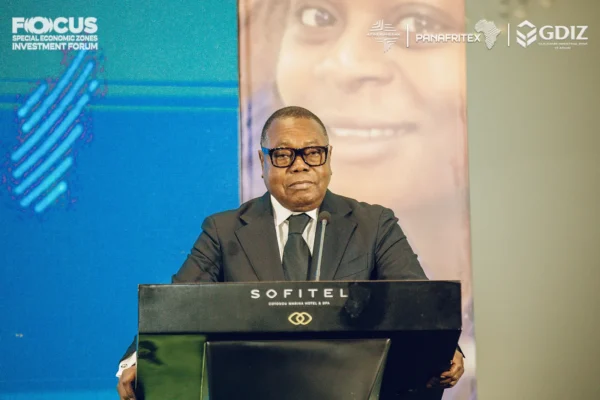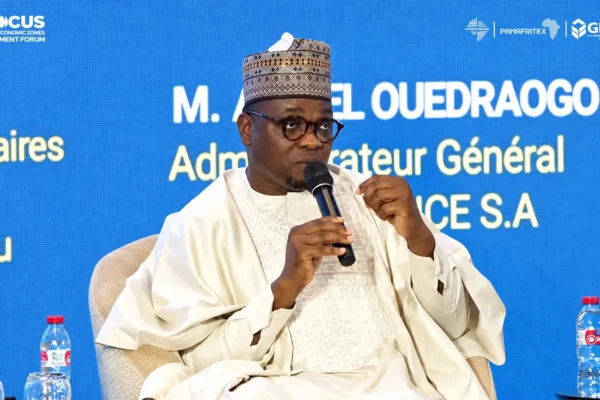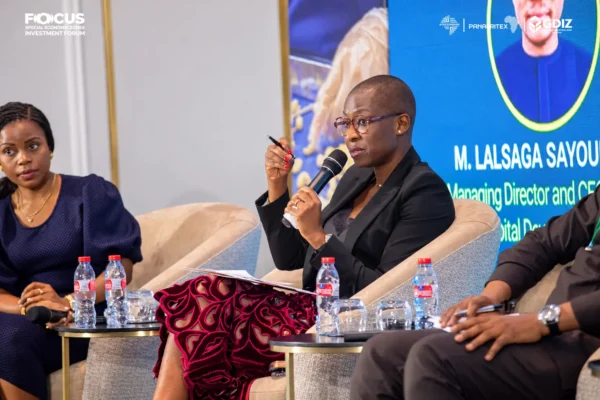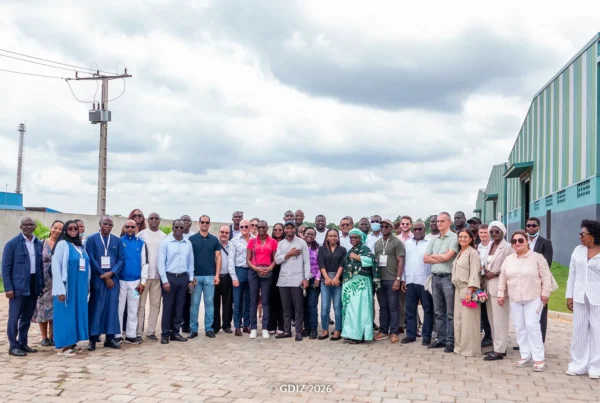
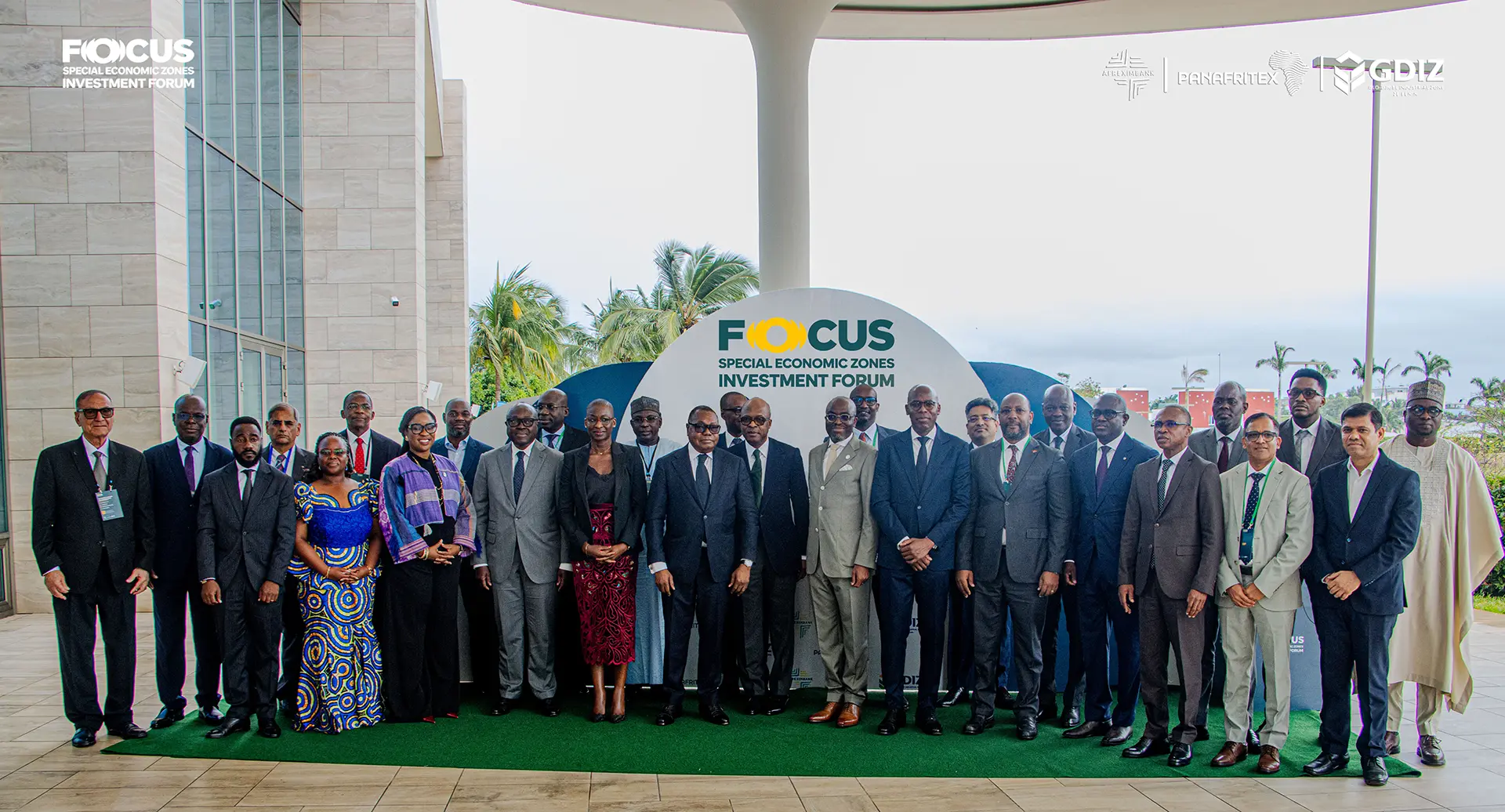
On 21 and 22 October 2026, the African Export-Import Bank (Afreximbank), in partnership with SIPI-BENIN S.A. and Panafritex, hosted the Special Economic Zones Investment Forum (FocusSEZ 2026) at the Sofitel Cotonou Marina Hotel & Spa and the Glo-Djigbé Industrial Zone (GDIZ).
Held under the theme “Investing in Local Processing and Industrialisation”, the forum welcomed approximately 200 participants from 16 confirmed nationalities. It brought together investors, industrialists, buyers, financial institutions and public-sector representatives to explore investment and industrial development opportunities in Benin.
The contributions from the partners highlighted the importance of financing, infrastructure and industrial partnerships in accelerating the transformation of Africa’s raw materials into higher-value products.
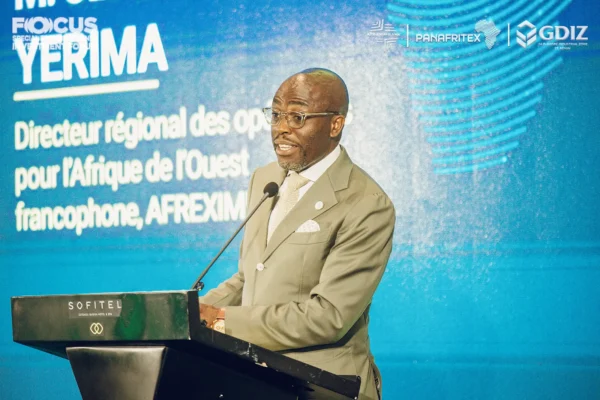
Mr Jean Arsène Yemina, Regional Director of Operations for Francophone West Africa at Afreximbank, highlighted the achievements of GDIZ’s textile platform, which has the capacity to process approximately 40,000 tonnes of cotton annually into finished products for international brands such as US Polo Assn., Kiabi and H&M. He also highlighted the potential for further development of the cashew, soya and shea value chains within the zone.
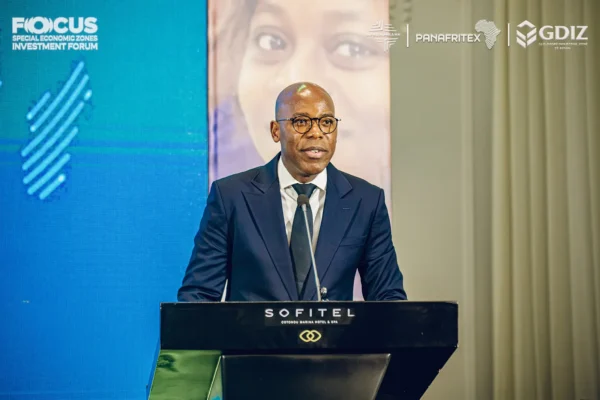
For Mr Létondji Béhéton, Managing Director of SIPI-BENIN S.A., the priority is to strengthen value creation across the continent: “Our ambition can no longer be limited to producing and exporting raw materials. We must go further: process more of our resources on the continent, develop competitive industries, strengthen our value chains and capture a greater share of the wealth generated from our raw materials.” GDIZ directly supports this vision by providing an integrated environment designed to facilitate the establishment of manufacturing facilities and the development of higher value-added industrial activities.
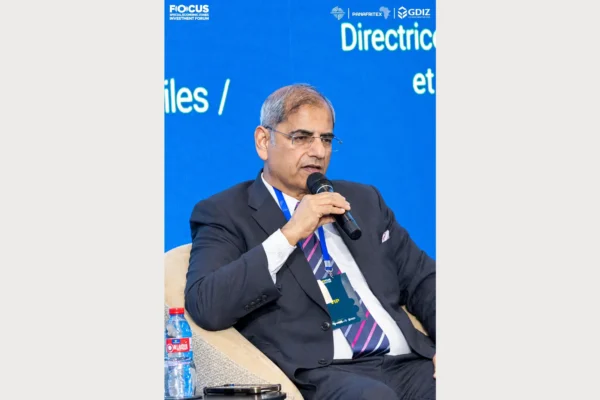
Mr Arvind Mathur, CEO of Panafritex, emphasised the importance of developing integrated industrial capabilities and commercial outlets to strengthen Africa’s position in the global textile industry. He also highlighted the role of the Obalé and SúSú brands in promoting locally manufactured products and connecting African production capabilities with consumer markets.